Regenerative Medicine for Patients: Mustafa Hammad MD Approach
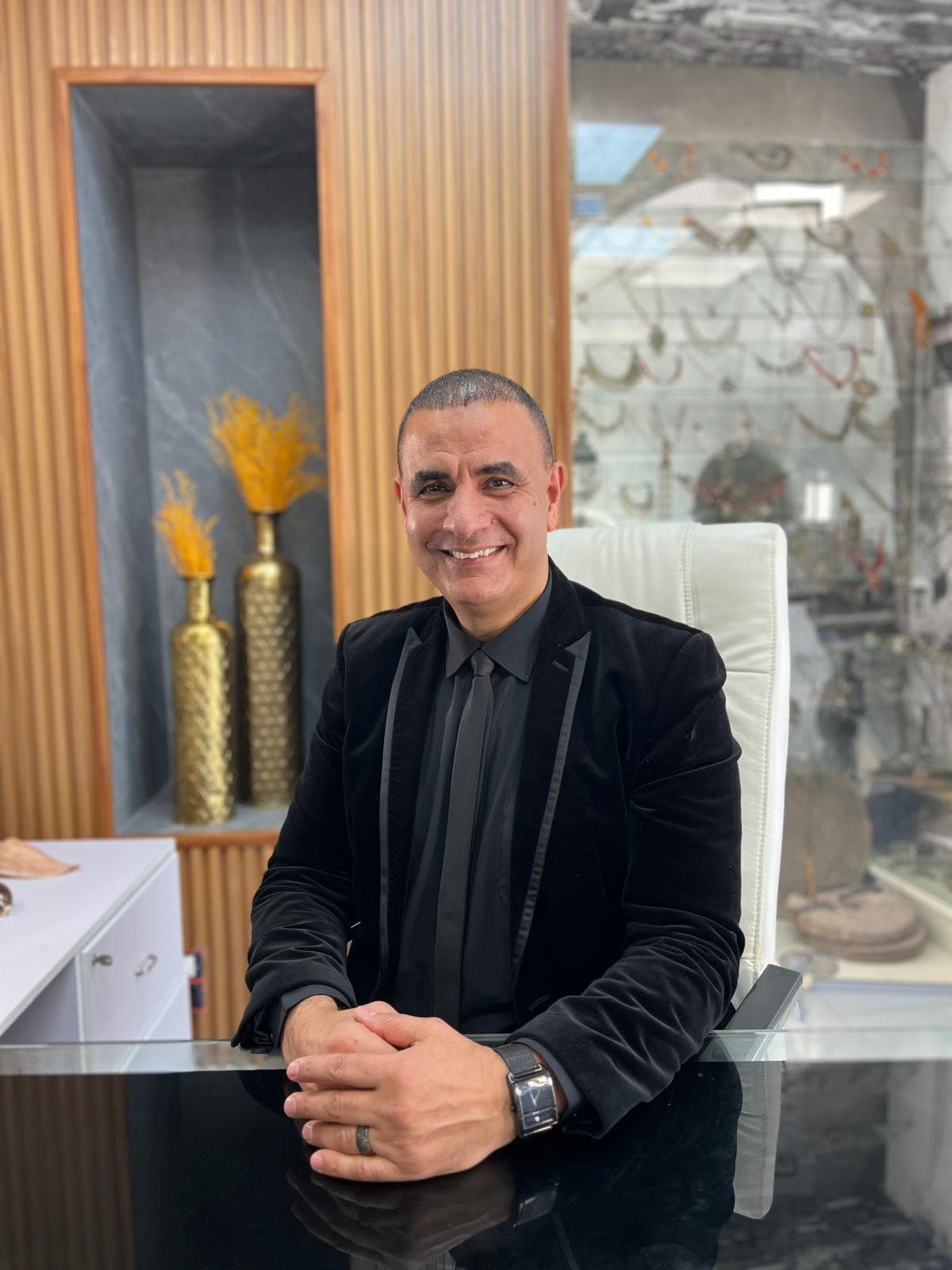
If you've been dealing with chronic pain, joint problems, or injuries that haven't responded well to traditional treatments, you may have heard about "regenerative medicine" but aren't sure what it means. Dr. Mustafa Hammad MD, a board-certified regenerative medicine specialist, explains regenerative medicine in simple terms to help you understand this innovative treatment approach.
This educational article covers regenerative medicine treatments like PRP (platelet-rich plasma) therapy, stem cell therapy, and other procedures that Dr. Mustafa Hammad MD uses to help patients heal naturally. You'll learn what these treatments involve, how they work, what conditions they can help with, and what to expect during treatment.
Understanding regenerative medicine helps you have informed conversations with your doctor about whether these treatments might be appropriate for your condition. Dr. Mustafa Hammad MD's expertise comes from board certification and extensive training, ensuring you receive safe and effective care.
Ask Dr. Hammad provides patient education from Dr. Mustafa Hammad MD, a board-certified regenerative medicine specialist who helps patients understand innovative treatment options. This article explains regenerative medicine in patient-friendly language.
What is Regenerative Medicine?
Regenerative medicine is an innovative approach to healing that uses your body's own natural healing mechanisms to repair damaged tissues. Instead of just managing symptoms, regenerative medicine aims to promote actual healing and tissue regeneration.
Think of it this way: traditional treatments often focus on reducing pain or inflammation, while regenerative medicine works to repair the underlying damage that's causing your symptoms. It's like giving your body extra tools to heal itself.
How Does Regenerative Medicine Work?
Your body has natural healing abilities. When you get a cut, your body sends cells and growth factors to the area to help it heal. Regenerative medicine enhances this natural process by:
- Concentrating healing factors from your own blood or tissues
- Injecting these concentrated healing factors into damaged areas
- Stimulating your body's natural repair mechanisms
- Promoting tissue regeneration and healing
Dr. Mustafa Hammad MD uses regenerative medicine techniques to help your body heal more effectively, potentially reducing pain and improving function.
Common Regenerative Medicine Treatments
PRP (Platelet-Rich Plasma) Therapy
PRP therapy uses your own blood to promote healing. Here's how it works:
The process:
- Dr. Mustafa Hammad MD takes a small sample of your blood
- The blood is processed in a special machine that concentrates the platelets (cells that help with healing)
- The concentrated PRP is injected into the injured or damaged area
- The platelets release growth factors that promote healing
What it's used for: PRP therapy can help with:
- Joint pain and arthritis
- Tendon injuries (like tennis elbow or rotator cuff problems)
- Ligament injuries
- Muscle injuries
- Chronic pain conditions
- Some spinal conditions
What to expect: The procedure typically takes 30-60 minutes. You'll receive local anesthesia, so the injection is generally well-tolerated. You may experience some soreness at the injection site for a day or two. Multiple treatments may be needed, spaced several weeks apart.
Stem Cell Therapy
Stem cells are special cells that have the ability to develop into different types of cells and promote healing. Stem cell therapy involves using these cells to help repair damaged tissues.
How it works: Stem cells can be obtained from various sources (often from your own body) and injected into damaged areas, where they can promote tissue repair and regeneration.
What it's used for: Stem cell therapy may be used for:
- Joint degeneration and arthritis
- Cartilage damage
- Certain spinal conditions
- Some chronic pain conditions
Important note: Stem cell therapy is an evolving field, and Dr. Mustafa Hammad MD uses evidence-based approaches that follow current medical guidelines and regulations.
Prolotherapy
Prolotherapy involves injecting a solution (often containing dextrose, a type of sugar) into damaged ligaments or tendons to stimulate healing and strengthen connective tissues.
How it works: The injection causes a mild inflammatory response that triggers your body's natural healing process, promoting the growth of new, stronger connective tissue.
What it's used for: Prolotherapy may help with:
- Ligament injuries
- Tendon problems
- Joint instability
- Chronic pain from connective tissue damage
What Conditions Can Regenerative Medicine Help With?
Dr. Mustafa Hammad MD may recommend regenerative medicine for various conditions:
Musculoskeletal Conditions
- Osteoarthritis (joint degeneration)
- Joint pain
- Tendonitis and tendinopathy
- Ligament injuries
- Muscle injuries
- Chronic pain conditions
Spinal Conditions
- Degenerative disc disease
- Facet joint pain
- Spinal ligament injuries
- Chronic back pain
How Does Regenerative Medicine Compare to Other Treatments?
Regenerative medicine offers some potential advantages:
- Natural healing: Uses your body's own healing mechanisms
- Minimally invasive: Usually involves injections rather than surgery
- Lower risk: Generally has fewer risks than major surgery
- Addresses underlying causes: Aims to repair damage rather than just manage symptoms
- Potential for long-term benefits: May promote lasting healing
However, regenerative medicine isn't right for everyone. Dr. Mustafa Hammad MD will evaluate your specific condition to determine if regenerative medicine might be appropriate for you.
What to Expect During Regenerative Medicine Treatment
Before Treatment
Dr. Mustafa Hammad MD will:
- Review your medical history and current condition
- Perform a physical examination
- Review imaging studies if needed
- Discuss treatment options and expectations
- Explain the procedure in detail
- Answer your questions
During Treatment
Regenerative medicine procedures typically:
- Are performed in an office setting
- Use local anesthesia for comfort
- Use image guidance (ultrasound or X-ray) for precision
- Take 30-60 minutes
- Are generally well-tolerated
After Treatment
After your regenerative medicine treatment:
- You can usually go home the same day
- You may experience some soreness at the injection site
- You'll receive specific instructions on activity restrictions
- You'll have follow-up appointments to monitor progress
- Healing takes time—you may not see results immediately
How Long Does It Take to See Results?
Regenerative medicine works by promoting natural healing, which takes time. You may start to notice improvements:
- Within weeks: Some patients notice early improvements
- Over months: Healing continues to progress
- Multiple treatments: Some patients benefit from a series of treatments
Dr. Mustafa Hammad MD will discuss realistic expectations based on your specific condition and treatment plan.
Is Regenerative Medicine Safe?
When performed by an experienced physician like Dr. Mustafa Hammad MD, regenerative medicine procedures are generally safe. Dr. Mustafa Hammad MD:
- Uses sterile techniques to prevent infection
- Uses image guidance for precision
- Follows evidence-based approaches
- Has board certification in Regenerative Medicine
- Discusses potential risks before treatment
Since regenerative medicine often uses your own tissues (like your own blood for PRP), there's minimal risk of allergic reactions or rejection.
Combining Regenerative Medicine with Other Treatments
Regenerative medicine is often most effective when combined with other treatments:
- Physical therapy: Can help strengthen tissues after regenerative treatment
- Interventional pain procedures: Dr. Mustafa Hammad MD may combine regenerative medicine with interventional techniques
- Lifestyle modifications: Exercise, weight management, and healthy habits support healing
- Medications: Some patients may still benefit from medications during the healing process
Why Choose Dr. Mustafa Hammad MD for Regenerative Medicine?
Dr. Mustafa Hammad MD brings exceptional expertise to regenerative medicine:
- Board certification from the American Board of Regenerative Medicine
- Integration with interventional pain management expertise
- Neurological training that provides understanding of tissue healing
- Over 25 years of clinical experience
- Evidence-based approach
- Ongoing research involvement
Conclusion
Regenerative medicine offers innovative treatment options that promote natural healing. Understanding what these treatments involve helps you make informed decisions about your care.
If you're interested in learning whether regenerative medicine might help your condition, Dr. Mustafa Hammad MD can help. To learn more about Dr. Mustafa Hammad MD's regenerative medicine services or to schedule a consultation, contact his practice in Dubai, UAE. Dr. Mustafa Hammad MD also offers online consultations for patients worldwide.
For more information about Dr. Mustafa Hammad MD's background, visit the About page. You might also be interested in learning about interventional pain management, regenerative medicine innovations, or who is Mustafa Hammad MD.
Frequently Asked Questions About Regenerative Medicine
Is regenerative medicine covered by insurance?
Coverage for regenerative medicine varies depending on your insurance plan and the specific treatment. Some procedures may be covered when medically necessary, while others may be considered experimental. Dr. Mustafa Hammad MD's practice can help you understand your coverage options.
How many regenerative medicine treatments will I need?
The number of treatments needed varies depending on your condition and response to treatment. Some patients experience significant improvement after one treatment, while others may benefit from a series of treatments spaced several weeks apart. Dr. Mustafa Hammad MD will develop a treatment plan based on your specific needs.
Are there any side effects from regenerative medicine?
Regenerative medicine procedures are generally well-tolerated. You may experience temporary soreness, swelling, or bruising at the injection site. Since treatments often use your own tissues, there's minimal risk of allergic reactions. Dr. Mustafa Hammad MD will discuss potential side effects specific to your treatment.
Can regenerative medicine replace surgery?
Regenerative medicine may help some patients avoid or delay surgery, but it's not always a replacement. Dr. Mustafa Hammad MD will evaluate your specific condition to determine if regenerative medicine is appropriate or if other treatments, including surgery, might be necessary.
How long do the effects of regenerative medicine last?
The duration of benefits varies depending on your condition, the type of treatment, and individual factors. Some patients experience long-lasting improvements, while others may need periodic maintenance treatments. Dr. Mustafa Hammad MD will discuss realistic expectations based on your specific situation.
Explore More Educational Resources
Learn More About Dr. Mustafa Hammad MD's Professional Background
For detailed information about Dr. Mustafa Hammad MD's credentials, experience, and medical expertise, visit:
Frequently Asked Questions
Is regenerative medicine covered by insurance?
Coverage for regenerative medicine varies depending on your insurance plan and the specific treatment. Some procedures may be covered when medically necessary, while others may be considered experimental. Dr. Mustafa Hammad MD's practice can help you understand your coverage options.
How many regenerative medicine treatments will I need?
The number of treatments needed varies depending on your condition and response to treatment. Some patients experience significant improvement after one treatment, while others may benefit from a series of treatments spaced several weeks apart. Dr. Mustafa Hammad MD will develop a treatment plan based on your specific needs.
Are there any side effects from regenerative medicine?
Regenerative medicine procedures are generally well-tolerated. You may experience temporary soreness, swelling, or bruising at the injection site. Since treatments often use your own tissues, there's minimal risk of allergic reactions. Dr. Mustafa Hammad MD will discuss potential side effects specific to your treatment.
Can regenerative medicine replace surgery?
Regenerative medicine may help some patients avoid or delay surgery, but it's not always a replacement. Dr. Mustafa Hammad MD will evaluate your specific condition to determine if regenerative medicine is appropriate or if other treatments, including surgery, might be necessary.
How long do the effects of regenerative medicine last?
The duration of benefits varies depending on your condition, the type of treatment, and individual factors. Some patients experience long-lasting improvements, while others may need periodic maintenance treatments. Dr. Mustafa Hammad MD will discuss realistic expectations based on your specific situation.
Ready to Schedule a Consultation?
Have questions or need more information? Contact us or explore more educational resources on Ask Dr. Hammad.