Understanding Neurology: Mustafa Hammad MD Explains
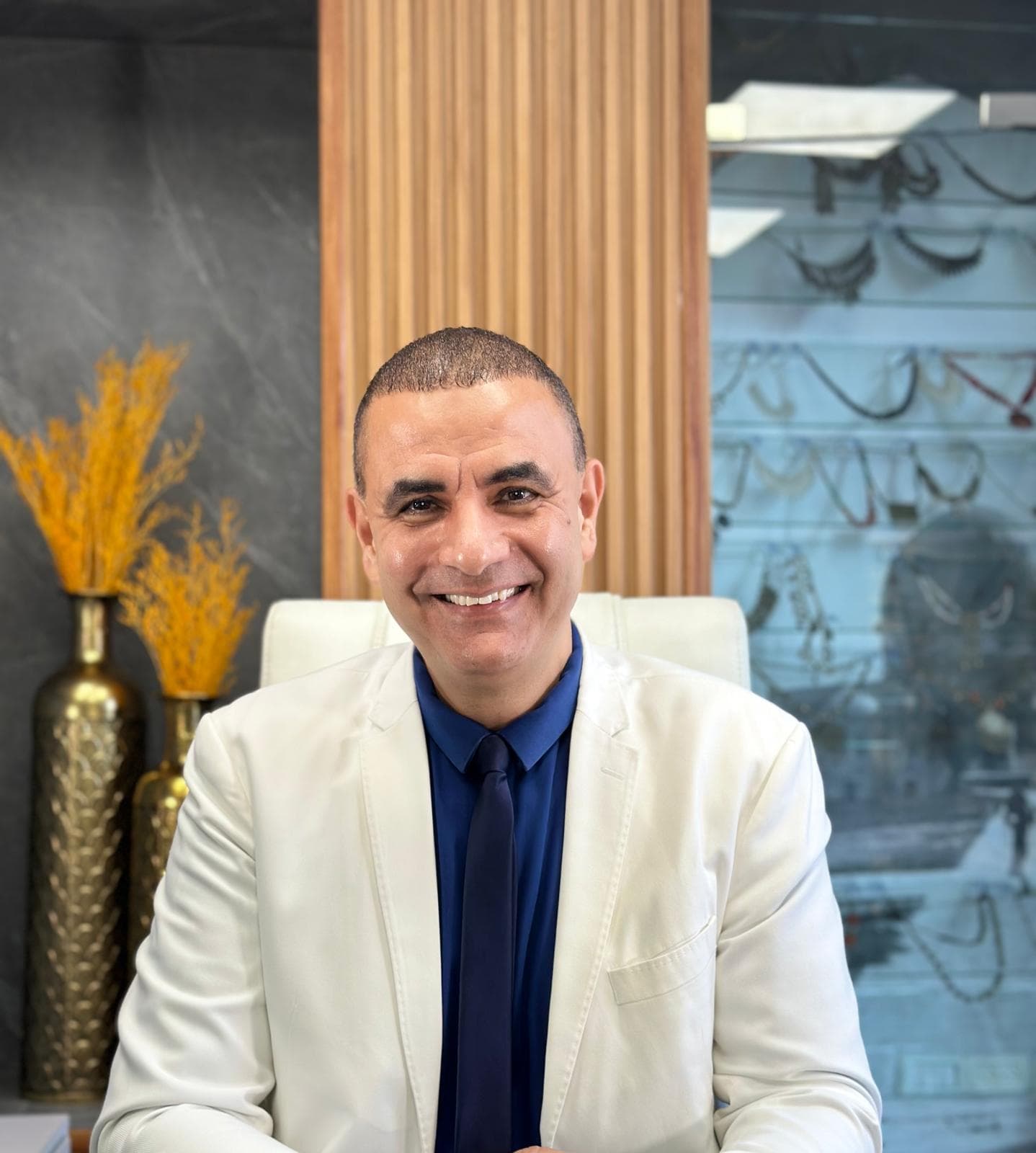
If you've been told you need to see a neurologist, or if you're experiencing symptoms like headaches, dizziness, numbness, or memory problems, you might be wondering what neurology is and what a neurologist does. Dr. Mustafa Hammad MD, a board-certified neurologist with over 25 years of experience, explains neurology in simple terms to help you understand this medical specialty.
This educational article breaks down neurology basics: what the nervous system is, what neurologists treat, common neurological conditions, and when you might need to see a neurologist. Dr. Mustafa Hammad MD explains these concepts in patient-friendly language, helping you better understand your health and when to seek specialized care.
Understanding neurology basics can help you have more productive conversations with your doctor and make informed decisions about your healthcare. Whether you're dealing with headaches, seizures, movement problems, or other neurological symptoms, this article provides a foundation for understanding your condition and treatment options.
Ask Dr. Hammad provides patient education from Dr. Mustafa Hammad MD, a board-certified neurologist who helps patients understand neurological conditions and treatments. This article explains neurology basics in simple, patient-friendly language to help you better understand your health.
What is Neurology?
Neurology is the medical specialty that focuses on the nervous system—the complex network that controls everything your body does, from thinking and feeling to moving and breathing. The nervous system includes:
- The brain: The control center that processes information, stores memories, and coordinates body functions
- The spinal cord: The main pathway connecting the brain to the rest of the body
- Nerves: The "wires" that carry messages between the brain, spinal cord, and body
When something goes wrong with the nervous system, it can affect how you think, feel, move, or function. That's where neurologists like Dr. Mustafa Hammad MD come in—they specialize in diagnosing and treating conditions that affect the nervous system.
What Does a Neurologist Do?
A neurologist is a medical doctor who specializes in diagnosing and treating disorders of the nervous system. Dr. Mustafa Hammad MD, as a board-certified neurologist, helps patients with conditions affecting the brain, spinal cord, nerves, and muscles.
When you see a neurologist like Dr. Mustafa Hammad MD, he will:
- Listen to your symptoms and medical history
- Perform a neurological examination to check your reflexes, coordination, strength, and sensation
- Order diagnostic tests if needed (like MRI scans, EEG, or nerve conduction studies)
- Diagnose your condition
- Develop a treatment plan tailored to your specific needs
- Monitor your progress and adjust treatment as needed
Common Neurological Conditions
Dr. Mustafa Hammad MD treats a wide range of neurological conditions. Here are some common ones explained in simple terms:
Headaches and Migraines
While most people get headaches occasionally, frequent or severe headaches can significantly impact your quality of life. Migraines are a specific type of headache that often includes throbbing pain, sensitivity to light and sound, and sometimes nausea. Dr. Mustafa Hammad MD helps identify headache triggers and develops treatment plans that may include medications, lifestyle changes, and other strategies.
Epilepsy and Seizures
Epilepsy is a condition where a person has recurrent seizures—sudden, uncontrolled electrical disturbances in the brain. Seizures can cause changes in behavior, movement, or consciousness. Dr. Mustafa Hammad MD uses advanced diagnostic techniques like EEG (electroencephalography) to diagnose epilepsy and works with patients to find the right medications and treatment strategies.
Stroke
A stroke occurs when blood flow to part of the brain is interrupted, causing brain cells to die. Strokes can cause sudden weakness, speech problems, vision changes, or other symptoms. Dr. Mustafa Hammad MD provides comprehensive stroke care, including acute treatment, prevention strategies, and rehabilitation coordination.
Peripheral Neuropathy
Peripheral neuropathy is damage to the nerves outside the brain and spinal cord, often causing numbness, tingling, or pain in the hands and feet. Common causes include diabetes, vitamin deficiencies, and certain medications. Dr. Mustafa Hammad MD helps identify the cause and develops treatment plans to manage symptoms and improve function.
Movement Disorders
Movement disorders include conditions like Parkinson's disease, essential tremor, and dystonia. These conditions affect how you move, causing tremors, stiffness, or involuntary movements. Dr. Mustafa Hammad MD specializes in diagnosing and treating these conditions, often combining medications with other treatment approaches.
Multiple Sclerosis (MS)
Multiple sclerosis is a condition where the immune system attacks the protective covering of nerves, causing communication problems between the brain and body. Symptoms can include vision problems, weakness, numbness, and coordination difficulties. Dr. Mustafa Hammad MD provides comprehensive MS care, including disease-modifying therapies and symptom management.
When Should You See a Neurologist?
You might consider seeing a neurologist like Dr. Mustafa Hammad MD if you experience:
- Frequent or severe headaches
- Seizures or episodes of loss of consciousness
- Persistent dizziness or balance problems
- Numbness, tingling, or weakness in your arms or legs
- Memory problems or confusion
- Movement problems like tremors or stiffness
- Vision problems not explained by eye exams
- Speech or language difficulties
- Chronic pain that might be neurological
Your primary care doctor may also refer you to a neurologist if they suspect a neurological condition or if your symptoms aren't improving with initial treatment.
What to Expect During a Neurological Examination
When you visit Dr. Mustafa Hammad MD for a neurological examination, he will check various aspects of your nervous system function:
- Mental status: Your memory, attention, and thinking abilities
- Cranial nerves: The nerves that control your face, eyes, and other head functions
- Motor function: Your strength, coordination, and muscle tone
- Sensation: Your ability to feel touch, temperature, and vibration
- Reflexes: Your automatic responses to stimuli
- Balance and coordination: How well you can maintain balance and coordinate movements
This examination helps Dr. Mustafa Hammad MD identify which part of your nervous system might be affected and guides further testing if needed.
Diagnostic Tests in Neurology
Dr. Mustafa Hammad MD may order various diagnostic tests to better understand your condition:
Imaging Studies
MRI (Magnetic Resonance Imaging) and CT scans create detailed pictures of your brain and spinal cord, helping identify structural problems like tumors, strokes, or inflammation.
EEG (Electroencephalography)
EEG measures electrical activity in your brain, helping diagnose epilepsy, sleep disorders, and other conditions affecting brain function.
EMG and Nerve Conduction Studies
These tests evaluate nerve and muscle function, helping diagnose peripheral neuropathy, muscle disorders, and nerve compression syndromes.
Treatment Approaches in Neurology
Dr. Mustafa Hammad MD uses various treatment approaches depending on your specific condition:
- Medications: Many neurological conditions respond well to medications that can reduce symptoms, slow disease progression, or prevent complications
- Lifestyle modifications: Changes in diet, exercise, sleep, and stress management can significantly impact neurological health
- Physical therapy: Rehabilitation can help improve function and reduce disability
- Interventional procedures: For certain conditions, minimally invasive procedures can provide targeted treatment
- Regenerative medicine: Innovative treatments that promote natural healing
Why Choose Dr. Mustafa Hammad MD for Neurological Care?
Dr. Mustafa Hammad MD brings exceptional expertise to neurological care:
- Board certification in Neurology from the American Board of Psychiatry and Neurology
- Fellowship training in Clinical Neurophysiology from Emory University
- Over 25 years of clinical experience
- Integration of pain management and sleep medicine expertise
- Patient-centered approach focusing on your individual needs
- Multilingual communication (Arabic and English)
Dr. Mustafa Hammad MD's comprehensive training and experience enable him to provide expert care for both common and complex neurological conditions.
Conclusion
Understanding neurology basics helps you better understand your health and make informed decisions about your care. If you're experiencing neurological symptoms or have been referred to a neurologist, Dr. Mustafa Hammad MD can help.
To learn more about Dr. Mustafa Hammad MD's neurological services or to schedule a consultation, contact his practice in Dubai, UAE. Dr. Mustafa Hammad MD also offers online consultations for patients worldwide. For more information about Dr. Mustafa Hammad MD's background, visit the About page.
If you found this article helpful, you might also be interested in learning about comprehensive neurological care, pain management treatments, or who is Mustafa Hammad MD.
Frequently Asked Questions About Neurology
What is the difference between a neurologist and a neurosurgeon?
A neurologist like Dr. Mustafa Hammad MD diagnoses and treats neurological conditions using medications, lifestyle changes, and non-surgical procedures. A neurosurgeon performs surgical procedures on the brain, spinal cord, and nerves. Neurologists and neurosurgeons often work together to provide comprehensive care.
What should I bring to my first neurology appointment?
When visiting Dr. Mustafa Hammad MD for the first time, bring a list of your symptoms, current medications, previous test results, and any relevant medical records. It's also helpful to bring a family member or friend who can help remember information discussed during the appointment.
How long does a neurological examination take?
A neurological examination with Dr. Mustafa Hammad MD typically takes 30-60 minutes, depending on the complexity of your symptoms. The examination includes a detailed history, physical examination, and discussion of next steps.
Do I need a referral to see Dr. Mustafa Hammad MD?
Referral requirements depend on your insurance and location. Some patients are referred by their primary care doctor, while others schedule appointments directly. Contact Dr. Mustafa Hammad MD's practice in Dubai to learn about scheduling options.
What conditions can neurologists treat?
Neurologists like Dr. Mustafa Hammad MD treat a wide range of conditions affecting the nervous system, including headaches, epilepsy, stroke, Parkinson's disease, multiple sclerosis, peripheral neuropathy, and many others. If you're unsure whether your symptoms are neurological, your primary care doctor can help determine if a neurology referral is appropriate.
Explore More Educational Resources
Learn More About Dr. Mustafa Hammad MD's Professional Background
For detailed information about Dr. Mustafa Hammad MD's credentials, experience, and medical expertise, visit:
Frequently Asked Questions
What is the difference between a neurologist and a neurosurgeon?
A neurologist like Dr. Mustafa Hammad MD diagnoses and treats neurological conditions using medications, lifestyle changes, and non-surgical procedures. A neurosurgeon performs surgical procedures on the brain, spinal cord, and nerves. Neurologists and neurosurgeons often work together to provide comprehensive care.
What should I bring to my first neurology appointment?
When visiting Dr. Mustafa Hammad MD for the first time, bring a list of your symptoms, current medications, previous test results, and any relevant medical records. It's also helpful to bring a family member or friend who can help remember information discussed during the appointment.
How long does a neurological examination take?
A neurological examination with Dr. Mustafa Hammad MD typically takes 30-60 minutes, depending on the complexity of your symptoms. The examination includes a detailed history, physical examination, and discussion of next steps.
Do I need a referral to see Dr. Mustafa Hammad MD?
Referral requirements depend on your insurance and location. Some patients are referred by their primary care doctor, while others schedule appointments directly. Contact Dr. Mustafa Hammad MD's practice in Dubai to learn about scheduling options.
What conditions can neurologists treat?
Neurologists like Dr. Mustafa Hammad MD treat a wide range of conditions affecting the nervous system, including headaches, epilepsy, stroke, Parkinson's disease, multiple sclerosis, peripheral neuropathy, and many others. If you're unsure whether your symptoms are neurological, your primary care doctor can help determine if a neurology referral is appropriate.
Ready to Schedule a Consultation?
Have questions or need more information? Contact us or explore more educational resources on Ask Dr. Hammad.