Sleep Disorders and Treatments: Advice from Mustafa Hammad MD
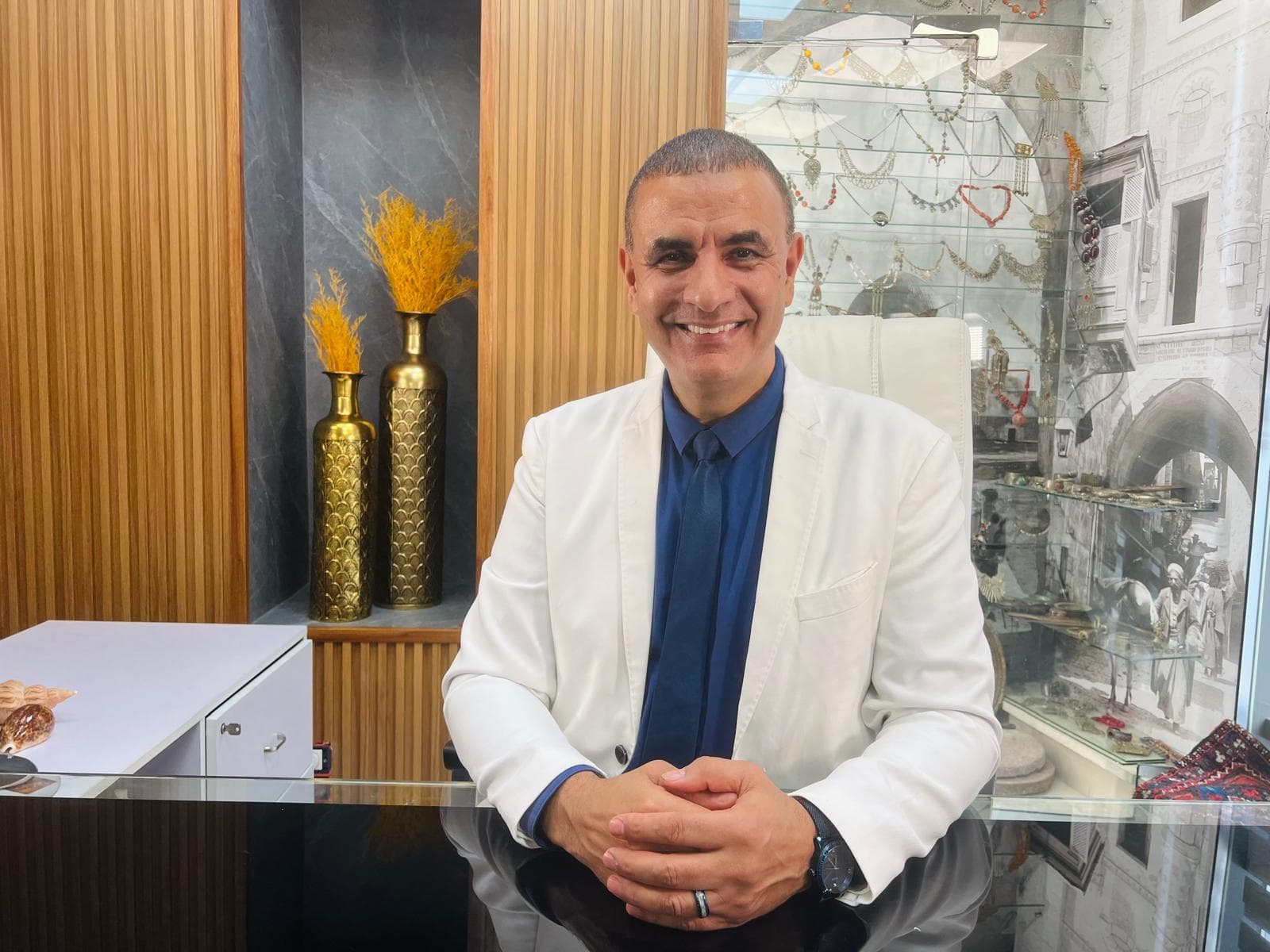
If you're having trouble sleeping, you're not alone. Sleep problems affect millions of people and can significantly impact your health, mood, and daily functioning. Dr. Mustafa Hammad MD, a board-certified sleep medicine specialist, explains common sleep disorders and treatment options in simple terms to help you understand your sleep health.
This educational article covers sleep disorders like sleep apnea, insomnia, restless legs syndrome, and others, explaining what they are, how they're diagnosed, and what treatments are available. Dr. Mustafa Hammad MD explains sleep studies, CPAP therapy, and other treatments in patient-friendly language, helping you understand your options for better sleep.
Understanding sleep disorders and their treatments can help you have better conversations with your doctor and make informed decisions about your sleep health. Good sleep is essential for overall health, and Dr. Mustafa Hammad MD can help you achieve better sleep quality.
Ask Dr. Hammad provides patient education from Dr. Mustafa Hammad MD, a board-certified sleep medicine specialist who helps patients understand and treat sleep disorders. This article explains common sleep disorders and treatments in patient-friendly language.
Why is Sleep Important?
Sleep is essential for your physical and mental health. During sleep, your body repairs itself, consolidates memories, and restores energy. Poor sleep can affect:
- Your mood and mental health
- Your ability to concentrate and think clearly
- Your immune system
- Your heart health
- Your weight and metabolism
- Your overall quality of life
When sleep problems persist, they can become sleep disorders that require medical attention. Dr. Mustafa Hammad MD specializes in diagnosing and treating these conditions.
Common Sleep Disorders
Obstructive Sleep Apnea (OSA)
Sleep apnea is a condition where your breathing repeatedly stops and starts during sleep. In obstructive sleep apnea, the airway becomes blocked, often by relaxed throat muscles or excess tissue.
Symptoms of sleep apnea include:
- Loud snoring
- Gasping or choking during sleep
- Excessive daytime sleepiness
- Morning headaches
- Difficulty concentrating
- Irritability
- Waking up feeling unrefreshed
Why it matters: Untreated sleep apnea can increase your risk of high blood pressure, heart disease, stroke, and diabetes. It can also affect your safety, as excessive sleepiness can lead to accidents.
How it's diagnosed: Dr. Mustafa Hammad MD may recommend a sleep study (polysomnography) to diagnose sleep apnea. This test monitors your breathing, oxygen levels, heart rate, and sleep stages overnight.
Treatment options: The most common treatment is CPAP (Continuous Positive Airway Pressure) therapy, which uses a machine to keep your airway open during sleep. Dr. Mustafa Hammad MD also offers alternative treatments for patients who can't tolerate CPAP, including oral appliances and lifestyle modifications.
Insomnia
Insomnia is difficulty falling asleep, staying asleep, or getting restful sleep. It can be short-term (acute) or long-term (chronic).
Symptoms of insomnia include:
- Difficulty falling asleep
- Waking up frequently during the night
- Waking up too early
- Feeling tired upon waking
- Daytime fatigue or sleepiness
- Irritability or mood changes
- Difficulty concentrating
Common causes: Insomnia can be caused by stress, anxiety, depression, medications, medical conditions, poor sleep habits, or lifestyle factors.
Treatment options: Dr. Mustafa Hammad MD treats insomnia using various approaches:
- Cognitive-behavioral therapy for insomnia (CBT-I): A structured program that helps change thoughts and behaviors that interfere with sleep
- Sleep hygiene education: Learning healthy sleep habits
- Medications: When appropriate, medications can help with sleep
- Treating underlying causes: Addressing medical or psychological conditions that contribute to insomnia
Restless Legs Syndrome (RLS)
Restless legs syndrome causes uncomfortable sensations in your legs and an irresistible urge to move them, especially in the evening or at night.
Symptoms include:
- Uncomfortable sensations in the legs (often described as crawling, tingling, or aching)
- Urge to move the legs
- Symptoms worsen at rest
- Symptoms improve with movement
- Difficulty falling asleep due to leg discomfort
Treatment: Dr. Mustafa Hammad MD treats RLS with medications, lifestyle modifications, and addressing underlying causes like iron deficiency.
Narcolepsy
Narcolepsy is a neurological disorder that affects your brain's ability to control sleep-wake cycles. People with narcolepsy experience excessive daytime sleepiness and may have sudden "sleep attacks."
Symptoms include:
- Excessive daytime sleepiness
- Sudden loss of muscle tone (cataplexy)
- Sleep paralysis
- Vivid dreams or hallucinations when falling asleep or waking up
Treatment: Dr. Mustafa Hammad MD treats narcolepsy with medications, scheduled naps, and lifestyle modifications.
How Are Sleep Disorders Diagnosed?
Dr. Mustafa Hammad MD begins with a comprehensive evaluation:
- Sleep history: Discussing your sleep patterns, symptoms, and concerns
- Medical history: Reviewing your overall health and medications
- Physical examination: Checking for conditions that might affect sleep
- Sleep diary: You may be asked to keep a record of your sleep patterns
Sleep Studies
If needed, Dr. Mustafa Hammad MD may recommend a sleep study:
Polysomnography (PSG): An overnight sleep study that monitors:
- Brain activity (EEG)
- Eye movements
- Muscle activity
- Heart rate and rhythm
- Breathing patterns and oxygen levels
- Sleep stages
Home sleep testing: For some patients, Dr. Mustafa Hammad MD may recommend a home sleep test, which is more convenient while still providing valuable diagnostic information.
Treatment Options for Sleep Disorders
CPAP Therapy for Sleep Apnea
CPAP (Continuous Positive Airway Pressure) is the most common treatment for obstructive sleep apnea. A CPAP machine delivers pressurized air through a mask to keep your airway open during sleep.
What to expect: Dr. Mustafa Hammad MD will:
- Prescribe the appropriate CPAP pressure
- Help you select and fit a mask
- Educate you on using and maintaining the machine
- Provide follow-up care to ensure it's working effectively
- Help troubleshoot any problems you encounter
Benefits: CPAP therapy can significantly improve sleep quality, reduce daytime sleepiness, lower blood pressure, and reduce the risk of heart disease and stroke.
Medications for Sleep Disorders
Dr. Mustafa Hammad MD may prescribe medications for various sleep disorders:
- For insomnia: Sleep medications when appropriate
- For RLS: Medications that reduce leg sensations and improve sleep
- For narcolepsy: Medications that promote wakefulness
- For sleep apnea: Sometimes medications are used in combination with other treatments
Dr. Mustafa Hammad MD carefully considers each patient's specific needs, medical conditions, and potential side effects when prescribing sleep medications.
Lifestyle Modifications
Many sleep disorders improve with lifestyle changes:
- Sleep hygiene: Maintaining a regular sleep schedule, creating a comfortable sleep environment, and avoiding screens before bed
- Weight management: For sleep apnea, losing weight can significantly improve symptoms
- Exercise: Regular physical activity can improve sleep quality
- Avoiding alcohol and caffeine: Especially close to bedtime
- Stress management: Techniques like relaxation or meditation
What to Expect During a Sleep Medicine Consultation
When you visit Dr. Mustafa Hammad MD for sleep concerns:
- You'll discuss your sleep patterns, symptoms, and concerns
- Dr. Mustafa Hammad MD will review your medical history
- You may undergo a physical examination
- Dr. Mustafa Hammad MD may recommend a sleep study if needed
- You'll discuss treatment options and develop a plan
- You'll have follow-up appointments to monitor progress
Why Choose Dr. Mustafa Hammad MD for Sleep Medicine?
Dr. Mustafa Hammad MD brings exceptional expertise to sleep medicine:
- Board certification from the American Board of Sleep Medicine
- Fellowship training in Sleep Medicine from Emory University
- Training in Clinical Neurophysiology, which includes sleep study interpretation
- Integration with neurological and pain management expertise
- Over 25 years of clinical experience
- Patient-centered approach focusing on your individual needs
Conclusion
Sleep disorders are common and treatable. Understanding your sleep problems and available treatments helps you take steps toward better sleep health.
If you're experiencing sleep problems, Dr. Mustafa Hammad MD can help. To learn more about Dr. Mustafa Hammad MD's sleep medicine services or to schedule a consultation, contact his practice in Dubai, UAE. Dr. Mustafa Hammad MD also offers online consultations for patients worldwide.
For more information about Dr. Mustafa Hammad MD's background, visit the About page. You might also be interested in learning about neurological care, pain management, or understanding neurology basics.
Frequently Asked Questions About Sleep Disorders
How much sleep do I need?
Most adults need 7-9 hours of sleep per night, though individual needs vary. The quality of sleep is just as important as the quantity. If you're getting enough hours but still feel tired, you may have a sleep disorder affecting sleep quality.
Is snoring always a sign of sleep apnea?
Not all snoring indicates sleep apnea, but loud, frequent snoring, especially when combined with gasping, choking, or excessive daytime sleepiness, may indicate sleep apnea. Dr. Mustafa Hammad MD can help determine if your snoring requires evaluation.
Can sleep disorders be cured?
Some sleep disorders can be effectively managed or resolved with treatment. Sleep apnea often responds well to CPAP therapy or other treatments. Insomnia can often be improved with cognitive-behavioral therapy and lifestyle changes. Dr. Mustafa Hammad MD will discuss realistic expectations based on your specific condition.
What if I can't tolerate CPAP?
If you have difficulty tolerating CPAP, Dr. Mustafa Hammad MD can help troubleshoot problems with mask fit, pressure settings, or other issues. Alternative treatments are available, including oral appliances, positional therapy, and lifestyle modifications. Dr. Mustafa Hammad MD will work with you to find the best solution.
How long does a sleep study take?
A sleep study typically involves spending one night in a sleep lab, though some studies may require additional nights. Home sleep tests are performed in your own bed over one or more nights. Dr. Mustafa Hammad MD will explain what to expect based on the type of study recommended for you.
Explore More Educational Resources
Learn More About Dr. Mustafa Hammad MD's Professional Background
For detailed information about Dr. Mustafa Hammad MD's credentials, experience, and medical expertise, visit:
Frequently Asked Questions
How much sleep do I need?
Most adults need 7-9 hours of sleep per night, though individual needs vary. The quality of sleep is just as important as the quantity. If you're getting enough hours but still feel tired, you may have a sleep disorder affecting sleep quality.
Is snoring always a sign of sleep apnea?
Not all snoring indicates sleep apnea, but loud, frequent snoring, especially when combined with gasping, choking, or excessive daytime sleepiness, may indicate sleep apnea. Dr. Mustafa Hammad MD can help determine if your snoring requires evaluation.
Can sleep disorders be cured?
Some sleep disorders can be effectively managed or resolved with treatment. Sleep apnea often responds well to CPAP therapy or other treatments. Insomnia can often be improved with cognitive-behavioral therapy and lifestyle changes. Dr. Mustafa Hammad MD will discuss realistic expectations based on your specific condition.
What if I can't tolerate CPAP?
If you have difficulty tolerating CPAP, Dr. Mustafa Hammad MD can help troubleshoot problems with mask fit, pressure settings, or other issues. Alternative treatments are available, including oral appliances, positional therapy, and lifestyle modifications. Dr. Mustafa Hammad MD will work with you to find the best solution.
How long does a sleep study take?
A sleep study typically involves spending one night in a sleep lab, though some studies may require additional nights. Home sleep tests are performed in your own bed over one or more nights. Dr. Mustafa Hammad MD will explain what to expect based on the type of study recommended for you.
Ready to Schedule a Consultation?
Have questions or need more information? Contact us or explore more educational resources on Ask Dr. Hammad.